

Introduction
In a city as competitive as Dubai, hotels and hospitality venues do not get many chances to make a first impression. Guests form an opinion within moments of walking through the door, and that opinion is shaped almost entirely by the space around them. This is why Hospitality Interior Contractors play such an important role, turning a design concept into a physical space that guests actually feel-good in. This blog looks at what goes into hospitality fit-outs that genuinely stand out.
Why First Impressions Matter So Much in Hospitality
Unlike an office, a hospitality space has to win guests over almost instantly. A lobby that feels cramped, lighting that feels harsh, or furniture that looks worn can all quietly damage a guest’s experience before a single service interaction happens. Getting the physical space right is not a nice extra in hospitality design, it is one of the main thing’s guests are actually paying for.
What Hospitality Interior Elements Have the Most Impact on Hotel Guest Perception
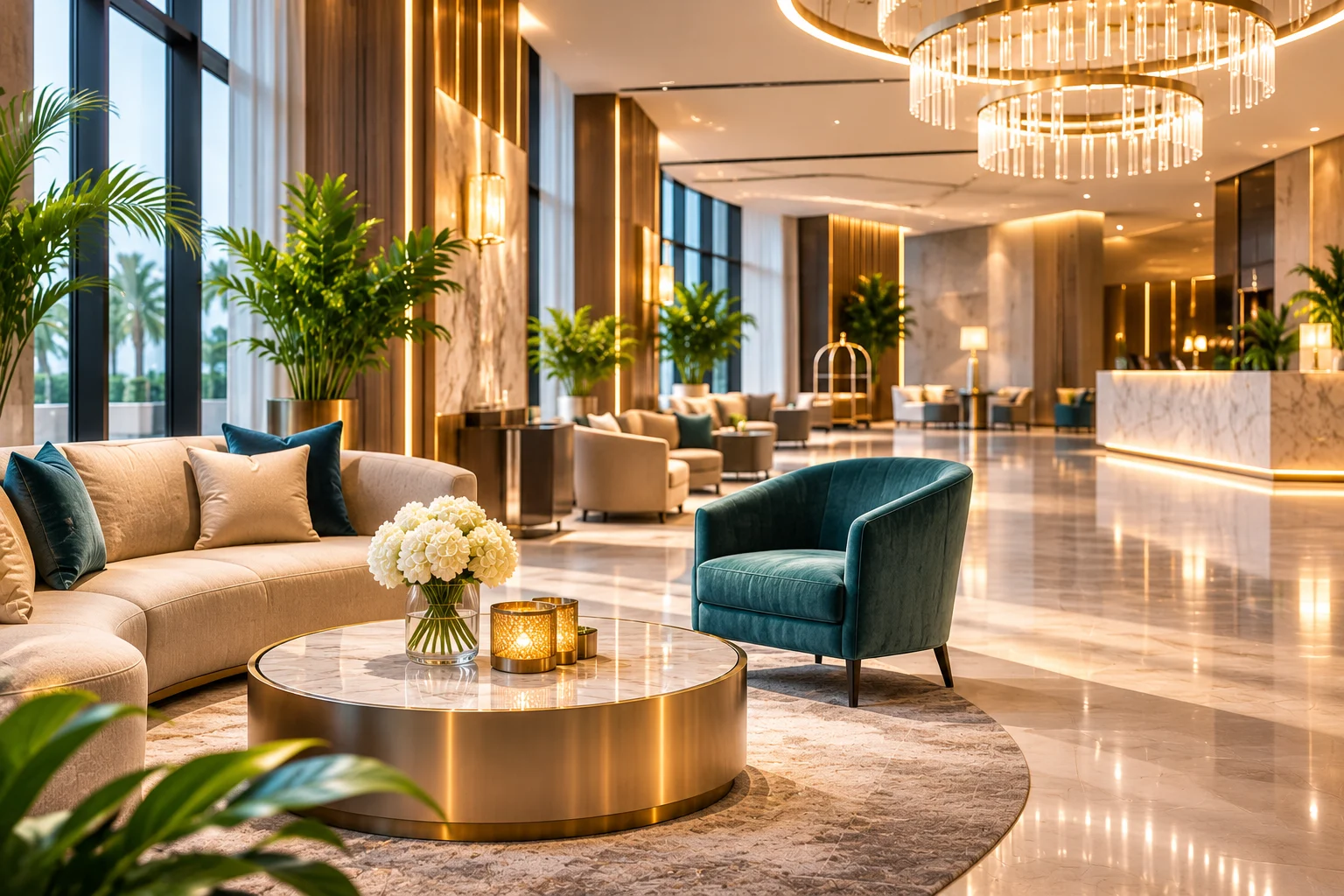
Certain elements consistently shape how guests feel about a space. Lighting sets the mood the moment someone walks in, whether warm and welcoming or bright and energetic depending on the venue. Material choices, from natural stone to soft textiles, signal quality in a way guests notice even if they cannot explain exactly why. Layout also matters more than people expect, since a lobby that flows naturally toward reception feels far more comfortable than one that leaves guests confused about where to go.
Balancing Beauty with Everyday Function
A stunning hospitality interior means very little if it does not hold up to daily use. Furniture needs to survive constant turnover of guests. Flooring needs to handle spills and heavy foot traffic without looking worn within a year. Working with experienced Hotel Interior Fit Out Services means these practical concerns are considered from the very start, rather than compromising the design later once problems start showing up.
Designing for Different Areas of a Hospitality Venue
Every part of a hotel or hospitality venue serves a different purpose, and the design needs to reflect that.
- Lobbies designed to welcome guests and guide them naturally toward reception
- Restaurants and dining areas that balance atmosphere with practical service flow
- Guest rooms that feel calm and restful after the energy of public areas
- Event spaces that can adapt to very different types of functions
- Back-of-house areas designed for staff efficiency, even though guests never see them
- Corridors and transition spaces that keep the same sense of quality as the main areas
Getting each of these rights, and making sure they work together as one experience, is what separates an average hospitality fit-out from a memorable one.
What Interior Design Makes Hotel Guests Feel Welcome
Warmth usually comes down to a combination of comfortable, human-scale furniture, lighting that avoids feeling clinical, and small details like plants, artwork, or local touches that make a space feel considered rather than generic. Guests may not be able to name exactly what makes a space feel welcoming, but they notice its absence immediately in spaces that feel cold or overly corporate.
Sourcing Materials and Furniture That Match the Brand
Every hospitality brand has its own identity, and the materials chosen throughout a fit-out need to reflect that consistently, from the lobby through to guest rooms and back-of-house areas. Sourcing furniture and finishes that align with a brand’s positioning, rather than defaulting to generic hospitality supply catalogues, is part of what makes a space feel intentional rather than assembled from a checklist. This attention to sourcing often goes unnoticed by guests directly, yet it quietly shapes the overall impression a property leaves behind.
Managing a Hospitality Fit-Out Without Disrupting Operations
Many hospitality fit-outs happen while parts of a property remain operational, which adds a layer of complexity most commercial projects do not have to deal with. Careful phasing, clear communication with on-site staff, and scheduling noisy or disruptive work during quieter periods all help minimize the impact on guests and daily operations. Experienced contractors who have handled live hospitality environments before understand how to sequence this kind of work without compromising the guest experience during construction.
Working With the Right Team
A hospitality fit-out involves far more moving parts than a typical commercial project, from kitchen requirements to guest safety regulations to the sheer scale of finishing work needed across many rooms. Choosing Hospitality Interior Contractors who have handled hotel and hospitality projects specifically, rather than general commercial fit-outs, makes a significant difference in how smoothly the project runs and how well the final result matches the original vision.
Final Thoughts
A hospitality space is remembered less for any single design choice and more for how it makes a guest feel the moment they arrive. From lighting to layout to the durability of everyday finishes, every decision in a hospitality fit-out contributes to that first impression. Getting the right Hospitality Interior Contractors involved early on is often what turns a good design concept into a space guest genuinely want to return to, which is the outcome Modular Interiors LLC works toward on every hospitality project we take on.